Fall ‘RoidWeek is here! If this twice-yearly tradition is new to you, here’s the quick version. ‘RoidWeek, short for Polaroid Week, is a community led celebration of instant film on Flickr. It started in 2006, and all these years later, photographers from around the world still gather here every spring and fall to share their instant work and connect over their shared love of instant film.
Behind it all is a dedicated team of admins. We asked four of them, Hilary Clarke, Laura Alice Watt, Meredith Wilson and Ina Echternach, what keeps them coming back to instant film, and to running one of Flickr’s longest-standing community traditions. We’re using our fan-favorite 16 Questions format, this time with an instant film twist. Let’s get started!
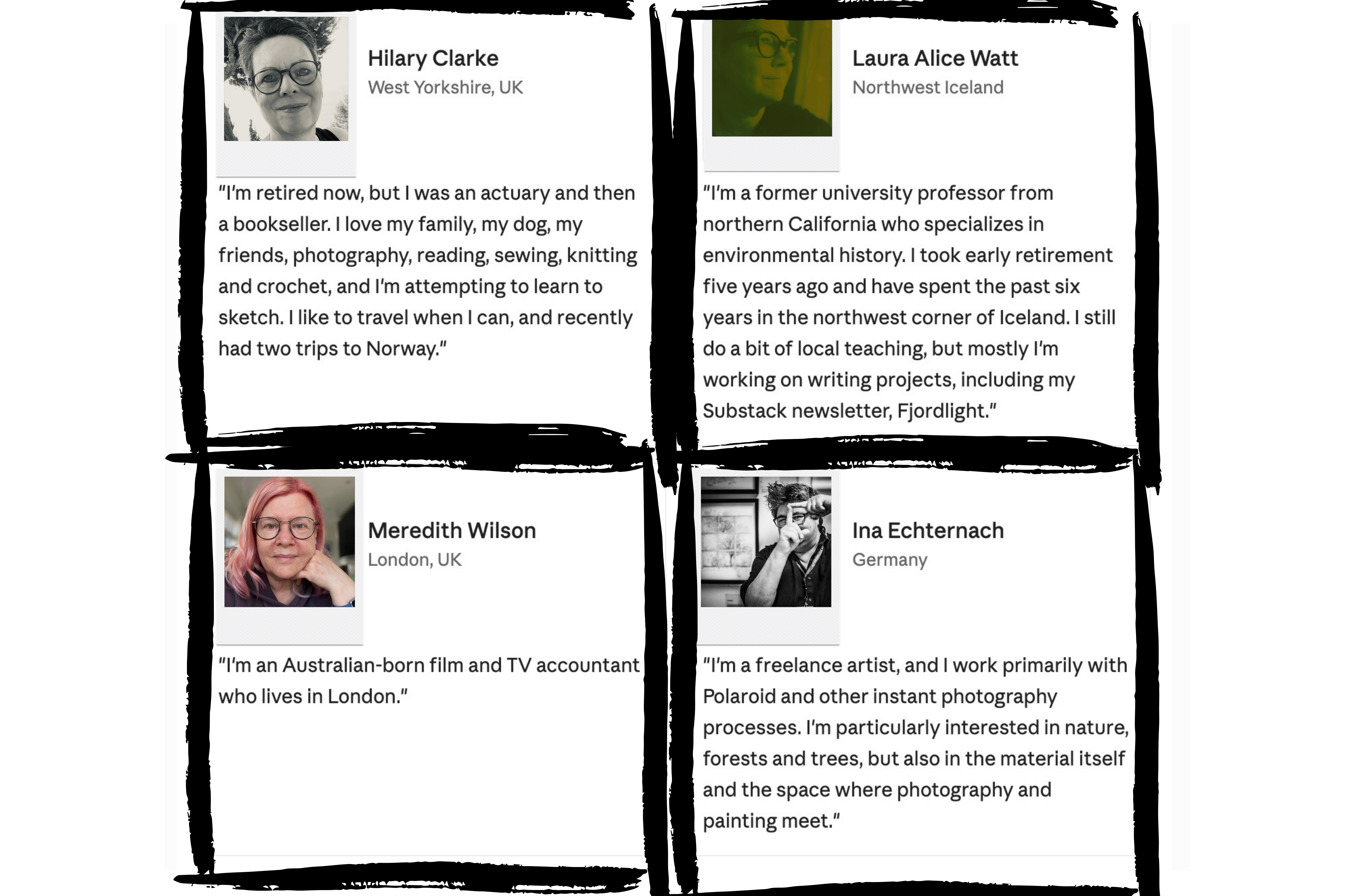
1. Please introduce yourself. Who are you? What do you do?
2. How long have you been an instant film enthusiast?
Hilary: I think I first started with Polaroid cameras in 2007. I went on a Polaroid workshop and fell in love with a borrowed spectra camera. Strangely enough, around the same time, I signed up for an Open University course on digital photography where I met Meredith, another admin of Polaroid Week, and found we both had a shared love of film and especially Polaroid cameras.
Laura: I received my first camera, a Kodak Instamatic, when I was eight years old—both of my parents were/are photo-enthusiasts, so I caught that enthusiasm early. But I remember my Dad being very sniffy about polaroids, he dismissed them as “toy cameras”—so my photography habit didn’t extend to instant film until I joined Flickr in 2004, and started seeing other people’s instant film images.
Meredith: My instant film journey began in 2010 just as The Impossible Project started producing their first black & white film.
Ina: Since 2010. That year I watched a documentary about Polaroid and the Impossible Project and immediately afterwards ordered my first Polaroid camera and some Impossible film. I’ve been fascinated by the medium ever since.

3. What was your first instant camera, and do you still have it?
Hilary: A Polaroid 600 camera which I called the silver whale because of its shape and yes I still have it!
Laura: It just so happens that one of my photography friends in San Francisco was Cate Rachford, who was one of the two co-founders of ‘RoidWeek in 2006—and after I admired all the incredible photography on display in that first week, she bought me a Spectra camera on eBay, back when they were only about $20 and film was still widely available.
Meredith: It was a silver Polaroid 600 Box camera that I bought off eBay. I moved on to an SX-70 and gifted the camera to a work colleague who was interested in trying out instant film.
Ina: My first instant camera was a black Polaroid box camera, and yes, I still have it. After only a few weeks, though, I switched to an SX-70. Later I bought a second-hand MiNT SLR670-S, and that is still the camera I use most often today.
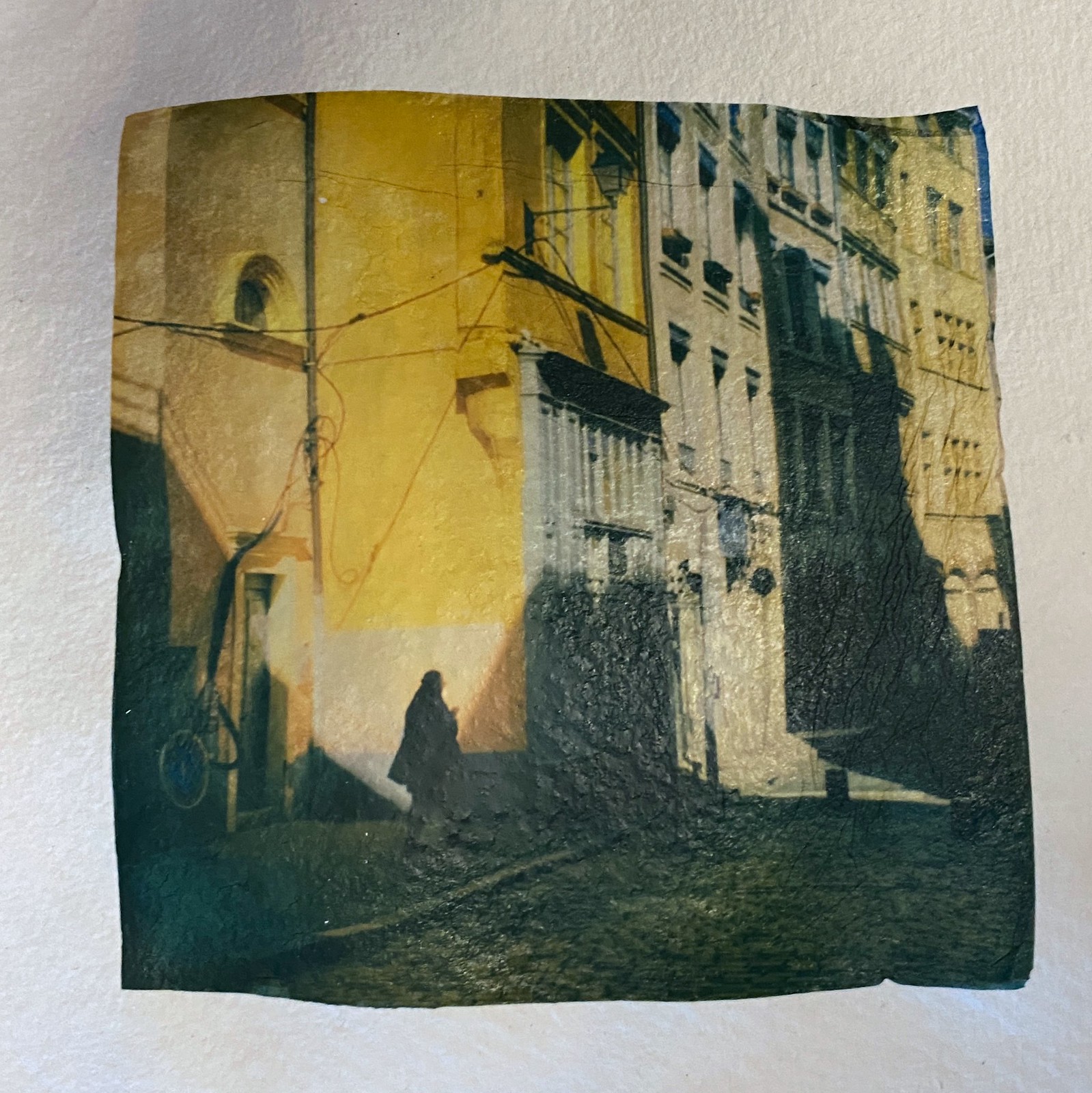
Life in the shadows – Lyon, France by Hilary Clarke
4. What does instant film give you that digital or traditional film doesn’t?
Laura: There’s a very distinctive glow of the light in many (although not all) instant films that I find utterly amazing, nothing else really comes close. There’s also more unpredictability, which I find exciting and engaging rather than frustrating; the final image feels like a collaboration between me and the film—how it responds to the weather and light that day, whether the chemicals are fresh or expired, etc.—and that’s far more interesting to me than having total control over the whole process.
Hilary: I think that if you take a portrait of someone on a polaroid, because it develops so quickly, it becomes more of a shared experience. The subject can see the image right away, and actually hold it in their hand.
Ina: Above all, slowness and the need to make a conscious decision. I can’t, and don’t want to, just keep taking pictures. I pause and decide whether I really want to make this particular image. And a few minutes later, I’m holding a physical original in my hand. That connection between perception, material and immediacy is something very special to me.
Meredith: Holding a physical photo, minutes after you’ve taken it, is magical. It’s something you can share with family, friends or complete strangers, and it helps you form a connection with them. I never get tired of seeing how people respond to something so tangible.

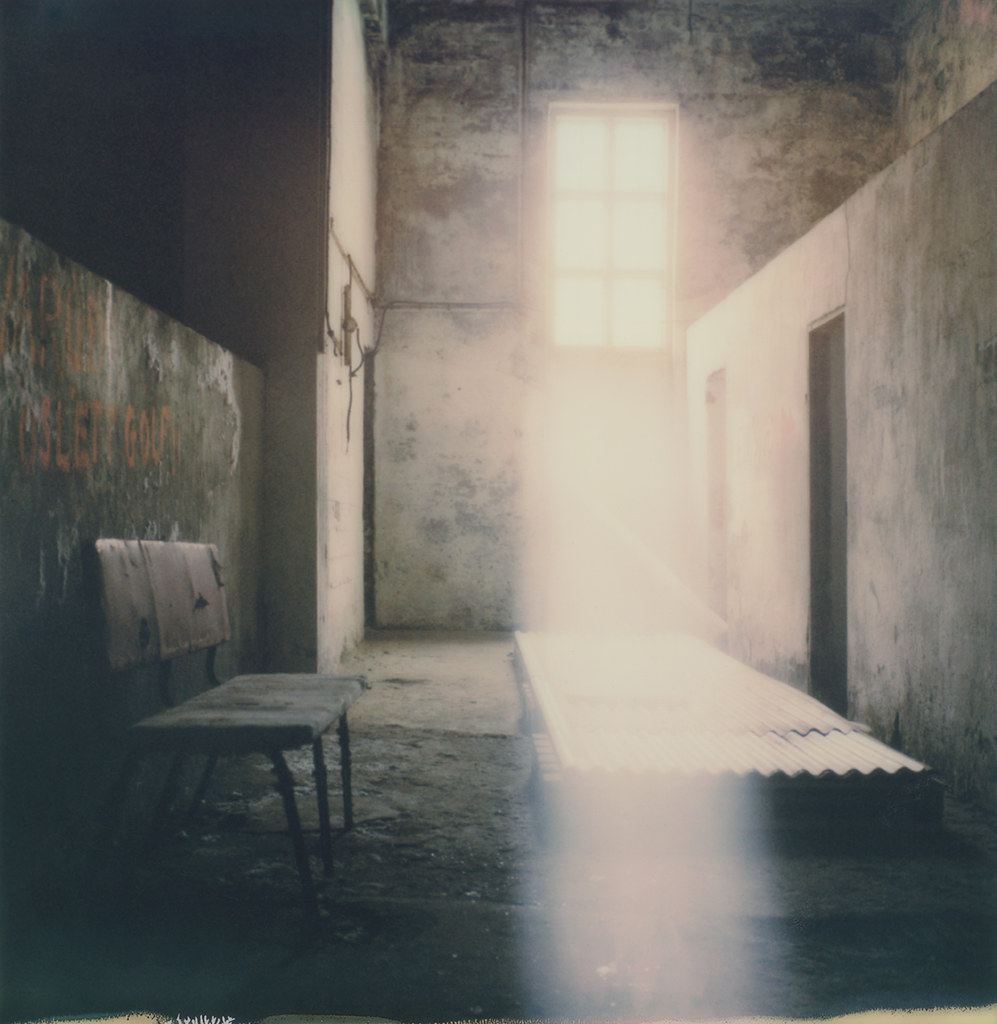
Untitled by ina echternach
5. Instant film is often tied to nostalgia. Is that part of it for you, or is it something else entirely?
Hilary says, “A little bit, but I love that you can be creative with the physical photograph. I enjoy doing emulsion lifts with the Polaroids, and people combine the photos in beautiful diptychs and triptychs. People sew on them, draw on them and manipulate the chemicals.” Laura agrees that nostalgia doesn’t play into it for her either. “Not at all for me, since I did not have the same exposure to polaroids as a kid or teenager that many others did. For me, it’s the uniqueness of the images that this particular film process/chemistry produces, and also the sense of serendipity in that process, chance elements that often elevate the image beyond just an ordinary snap.
“I didn’t have access to a Polaroid camera growing up, says Meredith, “so while I get the nostalgia, for me it’s always been about the look of the film. There’s a painterly quality that only seems to happen with Polaroid film. There’s else nothing quite like it.” And Ina agrees as well, “Surprisingly, nostalgia plays very little part in it for me. I don’t see Polaroid as a nostalgic medium, but as a contemporary artistic material that allows me to experiment and continually discover new ways of expressing myself.”
6. Which format is your favorite: Polaroid, Instax, something else?
Polaroid came out on top for this one. Ina says, “Definitely Polaroid. I work with different cameras and films, but the classic Polaroid format, and especially its materiality, is central to my work.” Hilary adds a little mix of the two, “In a perfect world I’d have a limitless supply of Fuji peel apart pack film and I’d use that with my Polaroid 420 land camera. Sadly Fuji doesn’t make it anymore. I do like the Supersense One Instant film too. But mainly I love Polaroid for the look of it.”
Meredith is on board Polaroid taking the top spot as well, “Polaroid without a doubt, though I really enjoy using my pack film cameras too. I have a stash of Fuji film that I’m enjoying using and occasionally I’ll buy some One Instant pack film which has that lovely painterly quality too.” And Laura is in agreement, “Polaroid for me, I’ve never gotten any Instax cameras. I also was one of the first testers for The Impossible Project, after Polaroid stopped making film, and followed that group through all their experiments and iterations until they rejoined with the Polaroid name. I deeply miss peel-apart films, though—except for a small stash still lingering in my refrigerator.”

7. How do you digitize your instant photos to share on Flickr: scanning, photographing, or something else?
All four admins prefer scanning their instant shots but Hilary and Meredith have also relied on the Polaroid app in a pinch as well.
8. Do you edit your scans, or do you prefer to present them exactly as they came out of the camera?
Laura: My first step is usually to edit the scan to look as much like the physical object as I can—my scanner’s color setting are never spot-on, so there’s a fair amount of tweaking needed just to get the thing to approximate reality. But then I treat the scan the same way I would a scanned negative—they are a starting point, and while I don’t make massive changes to them, I’m not adverse to straightening horizons or tweaking colors or contrast to make a more satisfying image. Similarly I’ve used polaroid scans to make digital negatives from which to make alt-process prints, such as cyanotypes or palladium prints—I absolutely love the ability these days to go back and forth between digital and analog in photography!
Hilary: I may edit them slightly, if there is a distracting mark on them, but generally I prefer to leave them as they are.
Meredith: I make minimal edits to the scans. Mainly colour matching to the original photo and removing those pesky bits of dust that end up on the glass, no matter how well you clean it. Sometimes I’ll remove the borders, but divots and other artifacts remain as they are part of the charm of Polaroid and, I think, an antidote to a constant need for perfection.
Ina: I edit them very minimally. I remove dust and adjust the colours so that they match the original as closely as possible. Apart from that, I want to show the image as it came out of the camera.
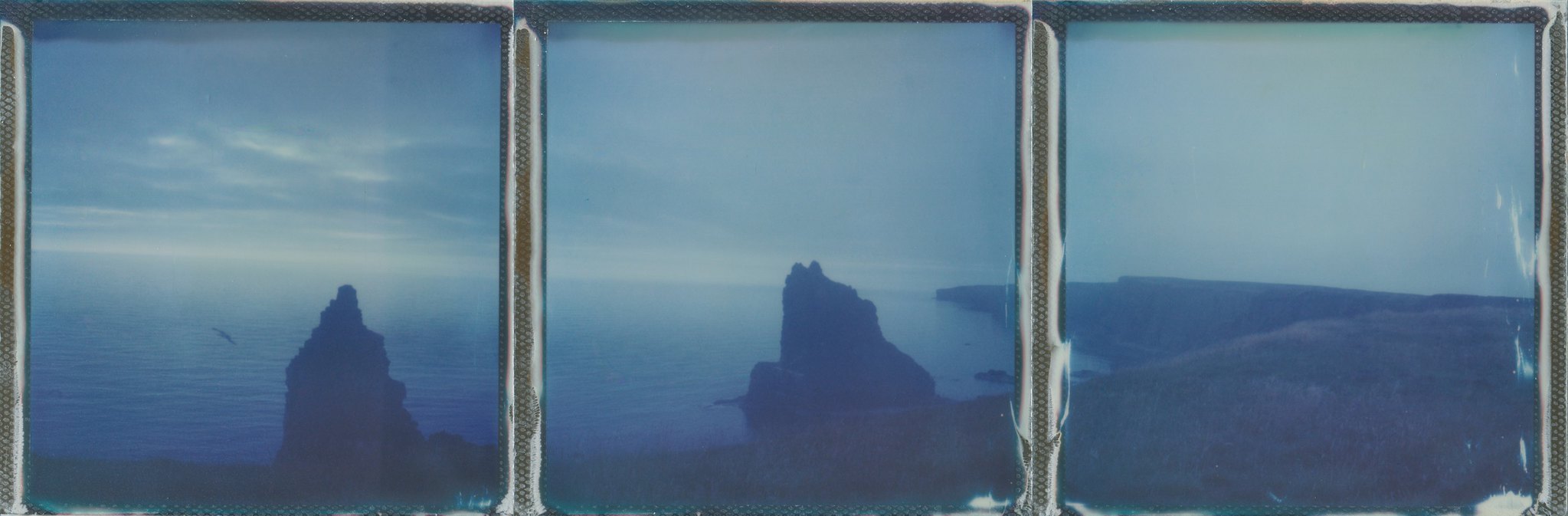
Untitled By ina echternach
9. What happens to your prints after you take them? Albums, walls, shoeboxes?
Where do all those prints end up? For most of the group, the answer is a bit of everything. Hilary keeps “a mixture of all the above,” with some in albums, some on her walls and others in boxes. Laura’s collection lives in “big piles of shoeboxes, now themselves stored in big plastic tubs,” and she admits she has “no idea what to do with nearly twenty years’ worth of originals,” though she once traded one to a friend for some hand-spun yarn. Meredith stores most of hers in boxes, keeps a few on display, and sends others out through Postcards from Afar, a monthly art swap.
For Ina, prints often take on a second life. “Many are archived, while others become part of a series or a larger work,” she says. “Some I frame, exhibit and also sell, so quite a few of my Polaroids have already found new homes with other people.” Her very first triptych, Trees are Sanctuaries, still hangs in her home today.
10: Share some of your favorites
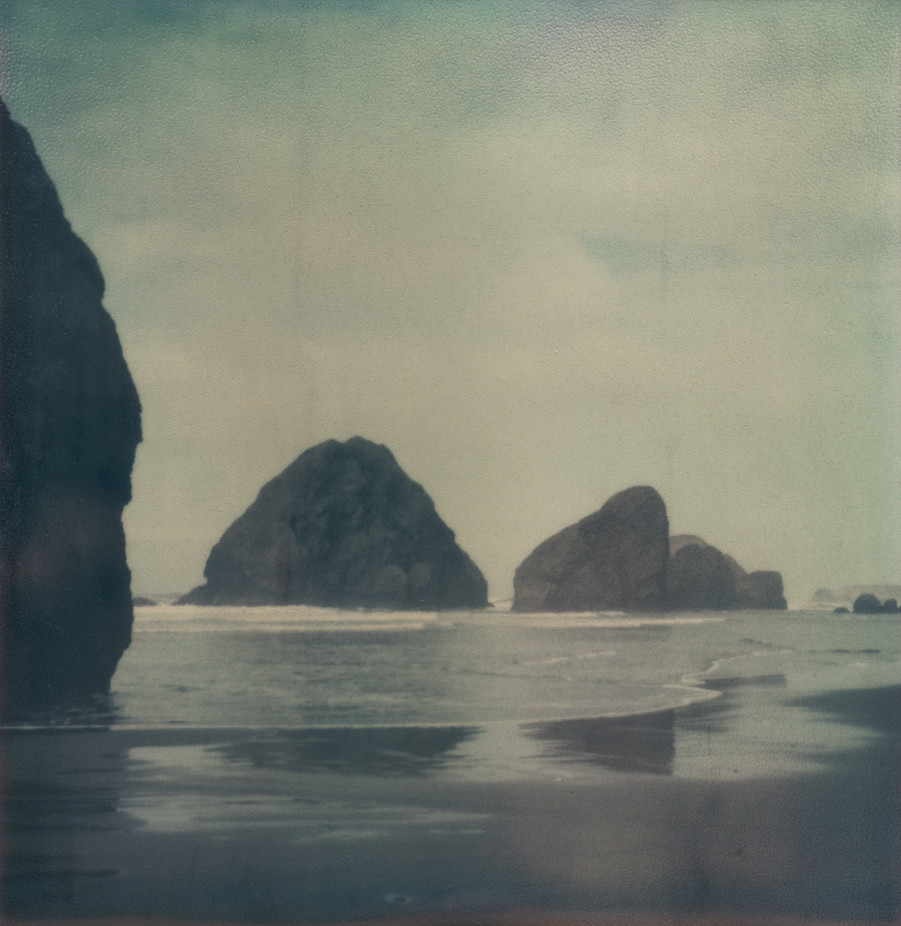
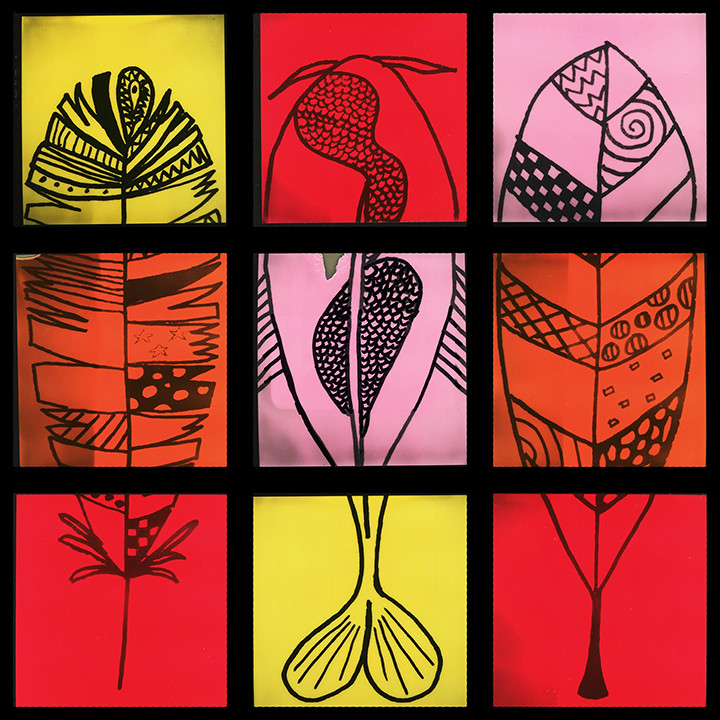
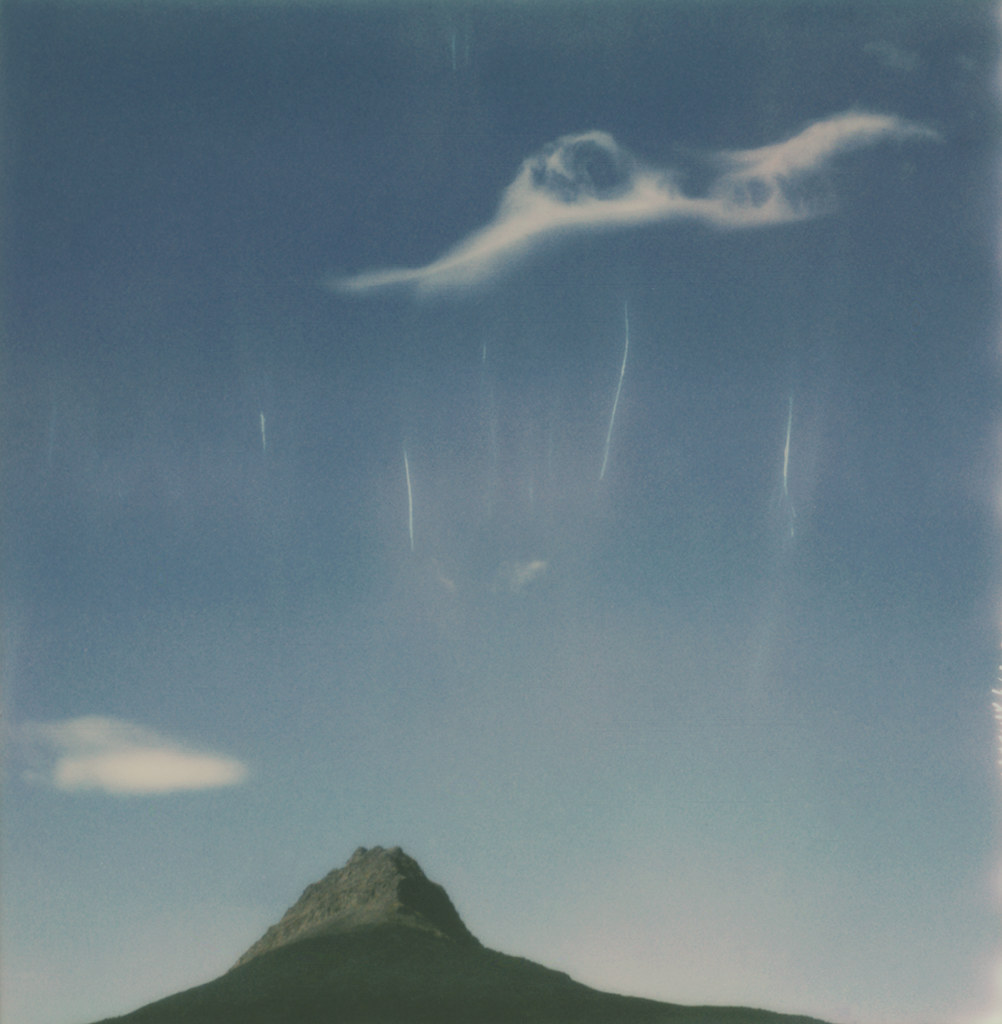
We’ve shared some of their favorites throughout this post so make sure to scroll through and enjoy their work!
11. If you were to describe what ‘Roidweek’ means to you in one or two sentences, what would that be?
Hilary: It’s a supportive community where we can share our love of Polaroid. It’s lovely to connect with people, many of whom have become friends over the years, but mainly I love that I get to see amazing photographs from all over the world. I learn so much every Roidweek from other people!
Laura: It’s a fantastic community of instant film enthusiasts, who come together twice a year not only to share their best work, but to celebrate each other’s best work—the emphasis in the group discussions is all on what have you seen that excites you, rather than just showing off. And the range of what people can do with instant films is astonishing, and always inspiring.
Meredith: “Roid Week” is joyful gathering of kindred spirits sharing their love of instant film and of community. 20 years on Flickr and we’re still going strong.
Ina: RoidWeek has been part of my journey almost since I first started working with Polaroid. It was one of the first places where I consciously began thinking about which images I wanted to share with other people, and to this day it remains a wonderful meeting place for an international community that shares the same passion.
12. If ‘RoidWeek had a theme song, what would it be?
If ‘RoidWeek had a soundtrack, it would be an eclectic one. Hilary went with “The Look” by Metronomy, since “Polaroid photos have a very iconic look,” and one line about the things we took fits nicely. Another line about shaking, she admits, does not, “as we really don’t shake the photos to develop them!” Laura picked what she calls “a bit of a cheesy choice”: Kool & the Gang’s “Celebration,” because “it really is a week of celebrating our shared love for this quirky format.” Meredith chose “Joy” by Raye, Amma & Absolutely, “because that’s how I feel at the start of another ‘RoidWeek.”
Ina reached for “Dreams Today” by Efterklang, from an album she loves, Piramida. For her, the song captures “that feeling of going out, being curious, discovering something, and then coming back to see what people all over the world have found.”
13. What advice would you give someone joining their first ‘RoidWeek this fall?
The universal answer here was a warm welcome to the community! Laura also made a note, “Do not just sit back after submitting your own images each day! Go through the pool as much as you have time for; don’t only look at people’s images but comment on them; and participate in the group threads, especially the daily favorites threads, where we post thumbnails of other people’s images that made our jaws drop. The community aspects are the best part! And of course, be true to your creative process, Ina says, ” Don’t think too much about what might be especially spectacular or perfect. Share images that mean something to you, look at what other people are making and join the conversation. For me, that exchange is a big part of RoidWeek.”
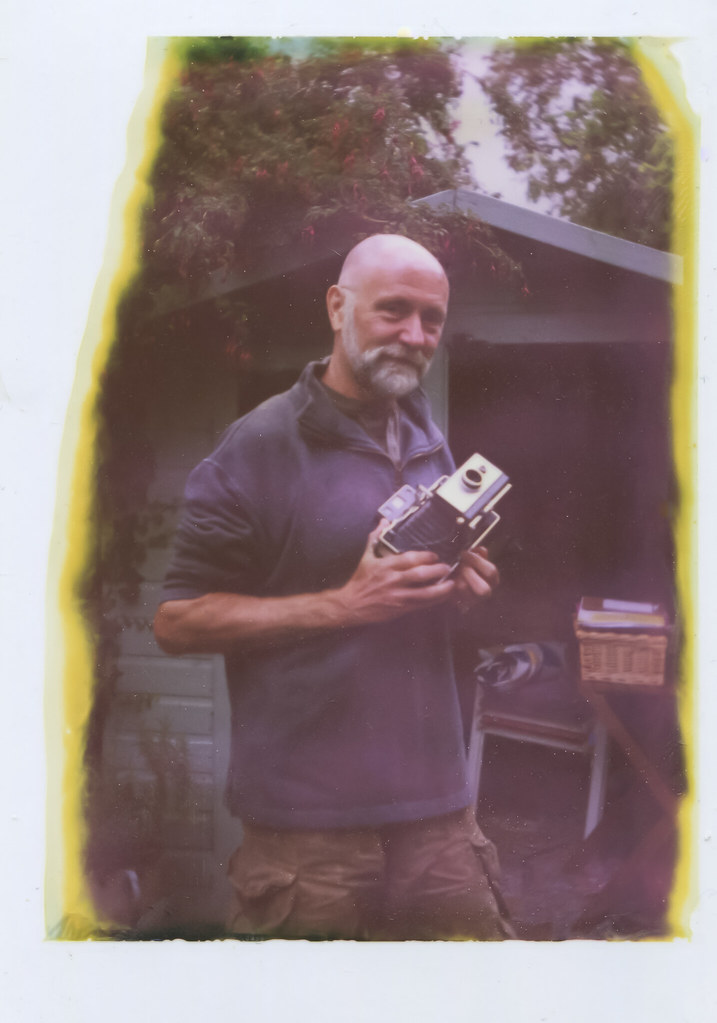
Dave by Hilary Clarke
14. What would you like people to take away from RoidWeek as a whole?
Hilary: Beautiful images, friendly people, and amazing creativity.
Laura: The joy of maintaining a connection to reality through analog instant films, and of maintaining this wonderful sense of a fiercely devoted community that cheers each other on.
Meredith: I hope people find it inspiring and that it encourages them to share work they are proud of.
Ina: Perhaps above all, just how incredibly differently people can work with the same medium. And hopefully a curiosity about the people behind the images too, because for me RoidWeek is, above all, about community.

15. To clarify, for new instant film users, are you actually supposed to shake a Polaroid picture to help it develop?
The verdict is unanimous: please don’t shake your Polaroids. “Haha, no, keep it in the dark if you can, no shaking necessary,” says Hilary. Meredith agrees: “Despite what André 3000 sings, nope! Just shoot, shield from strong light, and let it develop.”
Laura explains why. “These days, most of Polaroid’s films remain light-sensitive for a few minutes after they pop out of the camera, so much better to cover and keep protected until they are well on their way to developing. The chemistry does the work on its own, it doesn’t need to dance around in the process.” Ina puts it simply: “The picture develops perfectly well on its own.”

16. Are there other instant film groups that you enjoy sharing in between ‘RoidWeeks?
If you’re looking for some more instant film focused groups to check out, the admins have shared a few suggestions:
Thank you to to the ‘RoidWeek admins for all the work you do at building community. And thanks for giving us a look into your love of instant film and how it drives your creativity and passion for this special genre of photography. ‘RoidWeek just kicked off on Sunday so there is plenty of time to join in the fun this week. Head over to the group and check out what is being shared already, then add some of your own shots.